
| Properly Married The Figs | |||
|
|
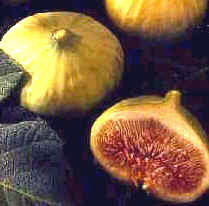
Once upon a time there was an old man who had three lovely daughters. As time drew near for him to go to the great beyond, he called his three daughters to him and gave each of them a fig saying, "I am giving each of you a precious fruit. You are to use it in finding a suitable husband. If you use it properly, you will be happy and your husband will be good to you and for you." He gave each a white fine linen napkin to keep it in. The first, anxious to find a good husband, immediately took her fruit out of the napkin, held it up, and offered it indiscriminately to every man that came along. Seeing the fruit offered with no strings attached, many men tasted, teased, and abused it until finally all the seeds were ruptured and the young maiden had to settle for whatever came along, suffering the consequences. The second girl wrapped her's tighter in its napkin and squeezed it tightly in her hand. She made no effort to give, and fought off advances by the young men. She finally grew more withdrawn and cold and blamed her father for not sending her a suitable suitor. She grew old and finally died suffering the consequences of having never enjoyed use of the beautiful fruit given her by her father. The third young maiden did not offer her fig indiscriminately, but as selected young men would visit her, she would tell the story of her father's trust. They in turn respected her honesty and desire to please her father and would not abuse her most prized possession. Although they had the choice, they did not take it from her, but let her keep it.
(1984?) |
|